
Delhi NCR Markets
The Ultimate Shopping Guide to Delhi NCR Markets
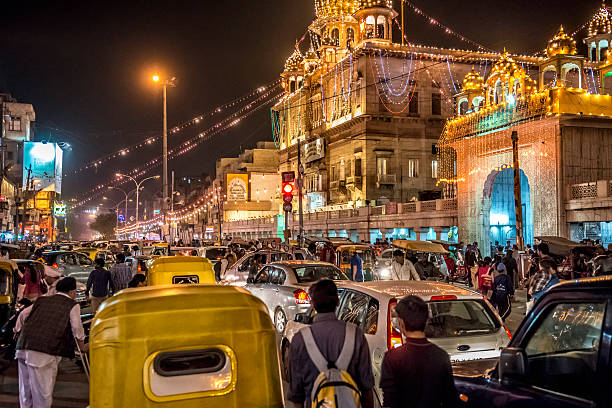
Welcome to Delhi, the undisputed shopping capital of India! From historic 400-year-old Mughal-era bazaars to trendy fashion alleys and underground tech hubs, Delhi NCR offers a sensory shopping explosion quite unlike anywhere else on earth. If you are planning a trip, here is your definitive, one-by-one guide to the region’s legendary street markets.
1. Chandni Chowk (Old Delhi)
Dating back to the 17th-century Mughal empire, Chandni Chowk is not just a market—it is an entire universe of micro-markets compressed into narrow, winding alleys (known locally as galis or katras). It is globally famous for its historic trading culture, bulk pricing, and unmatched festive charm.
- Best Known For: Bridal wear, heavy textiles, silver jewelry, wedding accessories, spices, and stationery.
- Nearest Metro Station: Chandni Chowk (Yellow Line) or Lal Quila (Violet Line).
- Timings: 10:00 AM to 8:00 PM (Closed on Sundays).
Micro-Markets Within Chandni Chowk:
Kinari Bazaar: The ultimate destination for wedding borders, laces, zardozi trimmings, and festive decorations.
Tucked away in the narrow, labyrinthine alleys of Old Delhi’s iconic Chandni Chowk, Kinari Bazar is a vibrant explosion of colors, textures, and sensory experiences. Famous worldwide as a paradise for brides-to-be, DIY fashion designers, and festival lovers, this centuries-old wholesale market is where the soul of traditional Indian celebration lives.
🕒 Essential Market Information
Before packing your bags, note these critical logistics to ensure a smooth trip:
- Timings: 11:00 AM to 8:00 PM
- Days Closed: Sundays (Most shops are strictly shut).
- Best Time to Visit: Weekday mornings (11:00 AM – 1:00 PM) to beat the intense crowds and summer heat.
- Best Season: October to March (Delhi’s winter makes navigating the open-air lanes incredibly pleasant).
🚇 How to Get There
Driving your own vehicle into Old Delhi is highly discouraged due to extreme traffic and a lack of parking. Instead, use these options:
- By Metro (Recommended): Take the Yellow Line and get down at Chandni Chowk Metro Station (Exit from Gate No. 3). From there, Kinari Bazar is a short walk or a fun cycle-rickshaw ride past Gurudwara Sis Ganj Sahib. Alternatively, you can use the Violet Line and exit at the Lal Qila (Red Fort) Station.
- By Auto/Cab: Ask the driver to drop you near the Dariba Kalan lane entrance or Sunehri Masjid. You will need to walk the rest of the way into the inner lanes.
🛍️ What to Buy (The Good Things)
Kinari Bazar is universally celebrated for its incredibly cheap wholesale rates and unmatched variety. Here are the things it does best:
- Blingy Laces & Borders: Trims of every imaginable design—Zari, Zardozi, Gota-Patti, sequins, and heavy mirror-work borders to elevate any plain saree or lehenga.
- Wedding & Bridal Accessories: Intricate Kaliras, Choodas (bridal bangles), groom turbans (sehras), and heavily embellished garment tassels (latkans).
- Festive & Pooja Decor: Beautifully crafted idol clothing, Pooja thalis, decorative garlands, and designer shagun envelopes (lifafas).
- Trousseau Packaging: Fancy boxes, trays, and fabric wraps tailored for wedding gifting.
❌ What to Avoid (The Bad Things)
While the bazaar is magical, a few things can turn your experience sour if you aren’t careful:
- No Fixed Pricing: Many shopkeepers mark up prices heavily for tourists. If you don’t bargain, you will overpay.
- Stiff No-Refund Policies: Wholesale shops rarely offer returns or exchanges. Always inspect your laces, beads, or decor items for tears or missing pieces before paying.
- Crowd & Space Constraints: The lanes are exceptionally narrow. It is not wheelchair accessible, and strollers are impossible to use.
- Pickpockets: Because the lanes force shoppers to walk shoulder-to-shoulder, bag-snatching and pickpocketing can happen.
🍽️ What to Eat Around Kinari Bazar
Shopping in Old Delhi is incomplete without treating your tastebuds. Step just a few meters outside the lane to find some of India’s most legendary street food:
| Food Item | Famous Food Joint | Why You Must Try It |
| Dahi Bhalla | Natraj Dahi Bhalla Corner | Incredibly soft lentil dumplings soaked in thick yogurt, sweet tamarind, and spicy mint chutneys. |
| Stuffed Paranthas | Paranthe Wali Gali | Located right next door; try deep-fried paranthas stuffed with unique fillings like green peas, mint, or even rabri. |
| Kachori Aloo | Jung Bahadur Kachori Wala | Super crisp, flaky kachoris served with a spicy, mouth-watering potato curry. |
| Giant Jalebis | Old Famous Jalebi Wala | Thick, piping-hot jalebis fried in pure desi ghee and dripping with sugar syrup. |
💡 Pro-Tips for My Website Readers
📌 Pro-Tip 1: The 30% Bargain Rule
Always negotiate! Start your counter-offer at roughly 30% to 40% lower than the shopkeeper’s quoted price, especially if you are buying in bulk.
📌 Pro-Tip 2: Bring the Fabric Along
If you are shopping for laces or latkans to match a specific dress, dress material, or saree, carry the outfit with you. Matching colors under the market’s artificial lighting from memory is incredibly difficult.
📌 Pro-Tip 3: Cash is King
While larger storefronts accept digital payments (UPI/Cards), network connectivity inside the deep, narrow lanes is notoriously weak. Always carry physical cash for street food and small vendors.
Dariba Kalan: Delhi’s historic silver street, famous for pure silver jewelry, silverware, and traditional Indian perfumes (ittar).
Established in the 17th century during the reign of Mughal Emperor Shah Jahan, Dariba Kalan is a legendary street in Old Delhi. Deriving its name from the Persian word Dur-e-be-baha (meaning “the pearl of unparalleled value”), this historical lane is globally renowned as Asia’s largest and oldest wholesale hub for pure silver jewelry, silverware, and authentic Indian fragrances.
🕒 Essential Market Information
Plan your trip according to these standard market operations to avoid closed storefronts:
- Timings: 11:30 AM to 7:00 PM
- Days Closed: Sundays (The entire street is strictly closed).
- Best Time to Visit: 12:00 PM to 4:00 PM on weekdays. The morning hours offer a much calmer environment to browse precious metals without the chaotic evening rush.
🚇 How to Get There
Dariba Kalan is centrally located and highly accessible via public transit:
- By Metro (Recommended): Take the Yellow Line to Chandni Chowk Metro Station (Exit from Gate No. 3). Dariba Kalan is just a 5 to 7-minute walk or a quick cycle-rickshaw ride from the station, located right next to the famous Central Baptist Church. Alternatively, the Violet Line via Lal Qila (Red Fort) Station drops you within walking distance.
- By Auto/Cab: Instruct your driver to drop you off near Sis Ganj Gurudwara or the Central Baptist Church on the main Chandni Chowk road. The lane itself is too crowded for motor vehicles.
🛍️ What to Buy (The Good Things)
Dariba Kalan is a treasure trove where you can purchase premium, authentic items at prices 25% to 40% cheaper than modern retail showrooms.
- Pure Silver Jewelry: Exquisite, handcrafted sterling silver ($92.5$) earrings, vintage nose pins, heavy oxidized neckpieces, intricate anklets (payals), and rings.
- Silverware & Antiques: Pure silver utensils, dinner sets, intricately carved tea sets, corporate gift artifacts, and heavy silver coins used for festivals.
- Kundan & Meenakari Work: Breathtaking traditional bridal sets featuring authentic gemstone settings and vibrant enamel art.
- Authentic Ittar (Attar): Centuries-old perfume shops selling pure, alcohol-free, essential oil-based fragrances like Khas, Gulab (Rose), Mitti (the smell of rain), and sandalwood oil.
❌ What to Avoid (The Bad Things)
To ensure a safe and satisfying luxury shopping experience, keep these warnings in mind:
- Fake Silver Hawkers: Avoid buying silver jewelry from random street hawkers sitting on the pavements. Always walk into an established, brick-and-mortar shop that stamps their items with a 925 Hallmark for purity.
- Bargaining Limits: Unlike cloth or lace markets, the base price of silver and gold depends strictly on daily global market rates. While you can negotiate the making charges (labor cost), do not expect massive 50% discounts on the metal itself.
- Stiff Alleyways: The street is long, narrow, and heavily trafficked by handcarts moving bulky wholesale boxes. Keep a sharp eye on your surroundings.
🍽️ What to Eat Around Dariba Kalan
Dariba Kalan is home to some of the absolute most famous culinary landmarks in all of Old Delhi, located right at its mouth and within its intersections:
| Food Item | Famous Food Joint | Why You Must Try It |
| Desi Ghee Jalebi | Old Famous Jalebi Wala | Located right at the entrance corner since 1884. They serve massive, thick, crispy jalebis fried in pure ghee, topped with rich, cold rabri. |
| Bedmi Poori & Nagori Halwa | Shree Bala Ji Kachori Bhandar | A legendary spot serving flaky kachoris with ultra-spicy potato curry, alongside crisp semolina pooris served with sweet halwa. |
| Khurchan | Hazari Lal Jain Khurchan Wale | A rare, historic sweet made by meticulously scraping off the caramelized layers of slow-boiled, sweetened milk. It is rich, sticky, and legendary. |
💡 Pro-Tips for My Website Readers
📌 Pro-Tip 1: Ask for the Hallmark Certificate
When purchasing heavy silver artifacts or expensive Kundan jewelry, always request a proper invoice and verify the hallmarked laser engraving on the metal to guarantee its future resale value.
📌 Pro-Tip 2: Check the Making Charges
Shopkeepers calculate prices as: $\text{Weight of Silver} \times \text{Daily Market Rate} + \text{Making Charges}$. The making charges are where you have the maximum room to bargain!
📌 Pro-Tip 3: The Perfume Heritage
If you buy Ittar, ask the shopkeeper to show you the vintage glass bottles (kuppis) made of camel skin, which have been used to age traditional fragrances for hundreds of years.
Khari Baoli: Asia’s largest wholesale spice market. The air here is thickly perfumed with red chilies, saffron, and nuts.
Operating continuously since the 17th century near the historic Red Fort, Khari Baoli is a mind-stirring explosion of sights, sounds, and intense aromas. Named after a stepped well (baoli) with salty (khari) water that once stood here, this iconic street is recognized globally as Asia’s largest wholesale spice market. It supplies a massive portion of the herbs, spices, nuts, and grains consumed across India and the world.
🕒 Essential Market Information
Because Khari Baoli is an intense, heavy-duty commercial wholesale market, timing your visit perfectly is key:
- Timings: 10:00 AM to 8:00 PM
- Days Closed: Sundays (The entire market is completely shut).
- Best Time to Visit: 10:30 AM to 12:30 PM on weekdays. In the late afternoon, the narrow lanes get clogged with massive wholesale sacks and handcarts, making walking very difficult.
🚇 How to Get There
Navigating to Khari Baoli is easy using Delhi’s metro network, which is highly recommended over road transport:
- By Metro (Recommended): Take the Yellow Line and get down at the Chandni Chowk Metro Station (Exit from Gate No. 1 or 3). From there, it is a 10-minute walk or a quick cycle-rickshaw ride past Fatehpuri Masjid. Alternatively, you can use the Old Delhi Railway Station Metro Station or the Violet Line (Lal Qila Station).
- By Auto/Cab: Ask the driver to drop you off near Fatehpuri Masjid. Khari Baoli begins directly adjacent to this historic mosque. Vehicles cannot enter the market lane itself.
🛍️ What to Buy (The Good Things)
Whether you are looking for rare culinary ingredients or premium gifts, Khari Baoli offers them at unbeatable wholesale rates:
- Exotic Spices: Pure Kashmiri saffron (kesar), whole green cardamom, cinnamon bark, star anise, mace, and high-grade stone flower (kalpasi).
- Premium Dry Fruits: High-quality almonds, cashew nuts, walnuts, pistachios, and dried figs (anjeer) imported directly from Afghanistan and the Middle East.
- Local & Ayurvedic Herbs: Raw turmeric, dried rose petals, amla, and rare roots used in traditional Indian medicine and skincare.
- Tea Leaves & Local Mixtures: Premium loose-leaf Assam and Darjeeling teas, alongside massive jars of traditional digestive candies (pachranja churan) and local pickles.
❌ What to Avoid (The Bad Things)
Khari Baoli is an incredible sensory experience, but it can be overwhelming. Keep these warnings in mind:
- The Spice Cough (Air Pollution): The air here is literally thick with airborne chili powder and ground spices. First-time visitors will sneeze, cough, and get watery eyes.
- Heavy Handcart Traffic: This is a working commercial hub, not just a tourist spot. Laborers carrying 50kg spice sacks and pulling heavy wooden carts (thelas) have the right of way—always move aside quickly when you hear them calling out!
- Fake Saffron: Street vendors outside established shops may try to sell fake, dyed grass filaments as genuine saffron. Only buy saffron packaged in sealed containers from reputable, brick-and-mortar shops.
🍽️ What to Eat Around Khari Baoli
The area around Fatehpuri Masjid and Khari Baoli is a legendary food haven, perfect for taking a break from the spicy air:
| Food Item | Famous Food Joint | Why You Must Try It |
| Gole Hatta Chole Bhature | Giani’s di Hatti / Gole Hatta | Famous for serving delicious, spicy chickpeas (chole) paired with soft bhature, traditionally accompanied by a cold glass of creamy lassi. |
| Kulfi Falooda | Giani’s di Hatti | Located right at Church Mission Road nearby, their iconic Rabri Kulfi Falooda has been a legendary sweet treat since 1956. |
| Muttar Kachori | Local Street Vendors near Fatehpuri | Flaky, crisp kachoris stuffed with spiced peas, crushed right in front of you and topped with a fiery, tangy potato gravy. |
💡 Pro-Tips for My Website Readers
📌 Pro-Tip 1: Mask Up!
Always carry a thick face mask, a scarf, or a handkerchief to wrap around your nose and mouth. The airborne capsaicin from thousands of open sacks of red chilies can trigger intense coughing fits if you aren’t covered.
📌 Pro-Tip 2: The Secret Rooftop View
For an unbelievable, panoramic view of the chaotic market lanes below and the spice sacks drying in the sun, find the entrance to Gadodia Market (inside Khari Baoli) and take the stairs all the way up to the roof. It is a photographer’s dream!
📌 Pro-Tip 3: Ask for Wholesale vs. Retail Rates
Many shops deal primarily in bulk (quantities over 5kg or 10kg). If you are buying small quantities (like 250 grams), always clarify with the shopkeeper first, as the retail pricing might vary slightly from the advertised wholesale rates.
Katra Neel: A legendary wholesale textile market renowned for premium indigo, silk, cotton, and brocade fabrics sold by the meter.
Dating back to the mid-19th century, Katra Neel is a historic, gated marketplace tucked inside the bustling heart of Chandni Chowk. The word Katra refers to a walled market-cum-residential complex, while Neel signifies indigo—marking its origins as the premier colonial-era trading hub for indigo dye and blue fabrics. Today, it stands as one of India’s most legendary wholesale markets for unstitched dress materials, traditional menswear, and premium ethnic textiles.
🕒 Essential Market Information
To plan a seamless shopping trip, keep these key operating hours and days in mind:
- Timings: 11:00 AM to 8:00 PM
- Days Closed: Sundays (The entire market complex is strictly closed).
- Best Time to Visit: 11:30 AM to 2:00 PM on weekdays. Visiting early allows you to browse massive stacks of fabrics comfortably before the heavy influx of retail and boutique buyers arrives in the evening.
🚇 How to Get There
Katra Neel is located directly off the main Chandni Chowk road and is easily accessible:
- By Metro (Recommended): Take the Yellow Line to Chandni Chowk Metro Station. Use Exit Gate No. 3 or Gate No. 5 (Town Hall side). From there, Katra Neel is just a 5-minute walk or a brief cycle-rickshaw ride. Look for the large, historic gateway on the main road across from the Town Hall area.
- By Auto/Cab: Instruct your driver to drop you near the historic Delhi Town Hall or Chunnamal Haveli. The entrance to Katra Neel is just a short walk from this landmark.
🛍️ What to Buy (The Good Things)
Katra Neel is a sanctuary for boutique owners, fashion designers, and anyone looking to custom-style their own ethnic wardrobe at wholesale rates:
- Premium Menswear & Suitings: Famed across Delhi for high-quality fabrics for men’s traditional attire—including sherwanis, kurtas, bandhgalas, and premium linen or cotton shirting material.
- Unstitched Ladies’ Suits: An endless variety of cotton, georgette, silk, and chiffon dress materials featuring traditional prints like Chikankari, Bandhani, and Block prints.
- Wholesale Cotton & Linens: Incredible wholesale deals on pure, breathable cotton bales, ideal for the intense Indian summers.
- Historical Architecture: Beyond shopping, it houses beautifully preserved, centuries-old structures, including the famous Chunnamal Haveli near its entrance.
❌ What to Avoid (The Bad Things)
Navigating an old wholesale textile yard requires a bit of caution. Keep these points in mind:
- Strict Minimum Cut Rules: Because it is primarily a wholesale hub, many shopkeepers will refuse to cut fabric under a certain length (e.g., they may require you to buy a minimum of 2.5 to 5 meters, or an entire suit set).
- Lack of Trial Rooms: This is a fabric market, not a retail clothing mall. There are no changing rooms or trial spaces; you must know your measurements beforehand.
- Hidden, Dark Alleys: The market splits into deep, narrow, labyrinthine sub-lanes. While perfectly safe, they can feel claustrophobic and dark even during peak daylight hours.
🍽️ What to Eat Around Katra Neel
Shopping for fabrics is hard work! Fortunately, Katra Neel is surrounded by iconic, centuries-old street food institutions:
| Food Item | Famous Food Joint | Why You Must Try It |
| Aloo Puri & Halwa | Shyam Sweets | Located slightly down the road, they serve Delhi’s finest crisp, golden bedmi pooris with a heavily spiced potato curry and sweet suji halwa. |
| Fruit Kulfi | Kuremal Mohan Lal Kulfi Wale | Located in the nearby Kucha Pati Ram lane, they are world-famous for their unique “stuffed” kulfis, where real fruit skins (like mango or orange) are filled with rich, creamy kulfi. |
| Rabri Falooda | Giani’s di Hatti | A short walk away toward Fatehpuri, perfect for cooling down with a thick, satisfying glass of traditional Rabri blended with ice and falooda noodles. |
💡 Pro-Tips for My Website Readers
📌 Pro-Tip 1: Know Your Measurements In Inches/Meters
Before you enter Katra Neel, know exactly how many meters of fabric you need for a kurta, a pair of trousers, or a complete suit design. Wholesale merchants move fast and expect buyers to know their specific length requirements.
📌 Pro-Tip 2: Look Out for the Hidden Havelis
Tell your readers to look up! Above the bustling fabric shopfronts are the remains of grand, historic Mughal and colonial-era mansions (havelis). The most famous is the Haveli of Lala Chunnamal, a wealthy 19th-century textile merchant, which sits prominently at the entrance.
📌 Pro-Tip 3: Check for Color Fastness
If you are buying heavily dyed fabrics (like indigo, hand-block prints, or bandhani), gently ask the shopkeeper if the color runs (rang nikalna). While the quality here is generally excellent, it is always wise to confirm washing instructions for artisanal hand-dyed textiles.
Must-Try Street Food: Take a break at the world-famous Paranthe Wali Gali for deep-fried stuffed flatbreads, grab a plate of thick creamy dahi bhalla at Natraj, or try sweet jalebis cooked in pure ghee at the Old Famous Jalebi Wala.
Pro Traveler Tip: Chandni Chowk is a high-density area with heavy crowds and rickshaw traffic. Keep your personal belongings secure, wear closed-toe shoes, and prefer exploring via walking or cycle-rickshaws.
For travelers who want a relaxed, clean, and sensory-friendly shopping experience without intense, pushy hawkers, Dilli Haat is the absolute best choice. Designed specifically to look like a rustic village marketplace (a traditional haat), it features a rotating roster of national artisans subsidized by the government.
2. Karol Bagh Market
Located in Central Delhi, Karol Bagh strikes an energetic balance between traditional Indian family shopping and modern retail convenience. This expansive commercial block blends massive multi-story family showrooms with vibrant roadside fashion hawkers and electronic streets.
- Best Known For: High-end bridal lehengas, designer replica wear, gold jewelry, and imported cosmetics/electronics.
- Nearest Metro Station: Karol Bagh (Blue Line).
- Timings: 10:00 AM to 9:00 PM (Closed on Mondays).
Top Shopping Sectors:
Ajmal Khan Road: Famous for affordable readymade garments, trendy footwear stalls, and extensive family cotton/silk outlets.
Located in the bustling commercial heart of Karol Bagh, Ajmal Khan Road is one of Delhi’s most iconic and dynamic shopping avenues. Established as a prominent trading hub after the partition, this sprawling street has transformed from a traditional marketplace into a massive open-air pedestrian high-street. It seamlessly blends giant international fashion showrooms, heritage Indian bridal boutiques, and endless rows of budget-friendly street stalls, making it a favorite for locals and tourists alike.
🕒 Essential Market Information
Before scheduling your shopping spree, note these key operating hours:
- Timings: 10:00 AM to 10:00 PM
- Days Closed: Mondays (While major international brand outlets might remain open, the vast majority of local shops, bridal showrooms, and street vendors are strictly closed).
- Best Time to Visit: 12:00 PM to 4:00 PM on weekdays to avoid massive evening crowds. The street completely lights up and gets intensely busy after 6:00 PM.
🚇 How to Get There
Ajmal Khan Road is exceptionally well-connected to the rest of the city:
- By Metro (Recommended): Take the Blue Line and get down at Karol Bagh Metro Station. Take the exit from Gate No. 2 or Gate No. 3. The moment you step out, you will find yourself directly at the starting point of Ajmal Khan Road.
- By Auto/Cab: You can book a cab directly to Karol Bagh, but be prepared for heavy traffic on the outer ring roads. Note that the main stretch of Ajmal Khan Road has been pedestrianized, meaning cars and autos cannot drive directly down the main shopping strip.
🛍️ What to Buy (The Good Things)
Ajmal Khan Road is a true multi-purpose shopping paradise where you can find premium goods at highly competitive prices:
- Bridal & Festive Wear: Gorgeous, heavily embroidered wedding lehengas, silk sarees, and designer unstitched suits from heritage stores at a fraction of the price of South Delhi boutiques.
- Traditional Menswear: Excellent showrooms specializing in tailored groomsmen attire, bespoke Sherwanis, Kurtas, and formal suits.
- Footwear & Handbags: Innumerable street kiosks and stores selling trendy juttis, heels, sneakers, and replica designer handbags.
- Adjoining Specialty Markets: Ajmal Khan Road acts as a gateway to other famous sub-markets, such as Gaffar Market (famous for cheap electronics and phone repairs) and Bank Street (Delhi’s top gold and diamond jewelry lane).
❌ What to Avoid (The Bad Things)
To keep your high-street shopping experience stress-free, watch out for these common pitfalls:
- Aggressive Street Hawkers: Vendors selling cheap clothing, sunglasses, and toys on the footpaths can be incredibly persistent. Maintain a polite but firm “no” if you aren’t interested.
- Massive Weekend Crowds: On Saturday and Sunday evenings, the pedestrian street becomes packed shoulder-to-shoulder. It can be exhausting to navigate if you dislike heavy crowds.
- Branded vs. Non-Branded Pricing: Don’t get fooled by street vendors trying to pass off fake, copycat luxury apparel as “factory surplus.” Inspect the stitching and zippers carefully.
🍽️ What to Eat Around Ajmal Khan Road
Karol Bagh is just as famous for its mouth-watering culinary history as it is for its clothes. Take a food break at these legendary spots right on or just off the main road:
| Food Item | Famous Food Joint | Why You Must Try It |
| Kulfi Falooda | Roshan Di Kulfi | A legendary institution on Ajmal Khan Road. Their rich, creamy, saffron-infused Kulfi topped with silky falooda is a mandatory Delhi experience. |
| Chole Bhature | Om Bhature Wale | Located just off the main road on Pyarelal Road; they serve exceptionally fluffy, oil-free bhature paired with perfectly spiced, dark chickpeas. |
| Moonglet | KB Chaat | A unique street snack—a fluffy, buttery, savory lentil omelet loaded with crunchy sweet corn, beetroot, and fresh coriander. |
| Fish Pakora / Non-Veg | Ganesh Restaurant | Located nearby on Arya Samaj Road; famous for its perfectly fried, crispy fish pakoras and rich Mughlai dishes. |
💡 Pro-Tips for My Website Readers
📌 Pro-Tip 1: Look Out for the Pedestrian Zones
Remind your website visitors that the core stretch of Ajmal Khan Road is vehicle-free! Wear highly comfortable walking shoes, as you will easily clock in a few thousand steps walking back and forth between showrooms.
📌 Pro-Tip 2: Start Bargaining at 50% on the Street
While the large showrooms have strictly fixed prices, the street vendors occupying the center and sides of the road expect you to haggle. Start your counter-offer at roughly half of their initial quoted price.
📌 Pro-Tip 3: The Monday Secret
If your readers hate crowds and only want to shop at big-name global brand showrooms (like Nike, FabIndia, Zara, etc.), visiting on a Monday is actually a great hack. The street is beautifully empty because all the local shops are closed, but the corporate brand stores remain open!
Bank Street: The go-to spot for heavy Indian wedding jewelry, showcasing rows of trusted gold and diamond merchants.
Branching directly off the famous Ajmal Khan Road in Karol Bagh, Bank Street is recognized as Delhi’s most trusted and prestigious hub for precious metals. While named after the prominent financial institutions that lined the street in the mid-20th century, today Bank Street is synonymous with premium gold, diamonds, platinum, and high-end bridal sets. It is a glittering stretch filled with decades-old legacy jewelers, corporate luxury showrooms, and artisanal workshops.
🕒 Essential Market Information
Because Bank Street deals with high-value luxury goods, its hours are more structured than standard street markets:
- Timings: 11:00 AM to 8:30 PM
- Days Closed: Mondays (In alignment with the larger Karol Bagh market district, almost all independent jewelry showrooms here are strictly closed).
- Best Time to Visit: 12:00 PM to 4:00 PM on weekdays. Avoid weekend evenings, as bridal parties fill the showrooms, resulting in long wait times to speak with sales representatives.
🚇 How to Get There
Given the extreme security and valuable nature of transactions here, planning your transport safely is essential:
- By Metro (Recommended): Take the Blue Line and get down at Karol Bagh Metro Station (Exit from Gate No. 2). Bank Street is just a 3 to 5-minute walk from the station. Look out for Metro Pillar No. 79, which sits right near the entrance zone of this prominent jewelry lane.
- By Auto/Cab: Cabs can drop you at the entrance of Bank Street near Desh Bandhu Gupta Road. However, vehicle entry directly into the lane is highly regulated to keep the stretch safe and pedestrian-friendly.
🛍️ What to Buy (The Good Things)
Bank Street is the ultimate destination in Northern India for investment-grade buying and heavy bridal shopping:
- Heavy Bridal Gold Layouts: Highly intricate, heavy traditional gold chokers, Kadas (bangles), long sets, and family heirloom pieces.
- Certified Diamond & Solitaire Jewelry: International brand showrooms and local trusted boutiques offering high-clarity, certified diamond rings, tennis bracelets, and delicate neckpieces.
- Polki & Jadau Masterpieces: Stunning, un-cut diamond sets crafted with traditional Mughal-style foil backings and intricate enamel detailing.
- Pure Gold Coins & Bullion: Trusted, sealed gold and silver coins for corporate gifting, investment purposes, or festival rituals (Dhanteras/Diwali).
❌ What to Avoid (The Bad Things)
When making heavy financial investments in jewelry, keep these warnings in mind:
- Street-Side Stone Sellers: Avoid independent brokers walking the street trying to sell you loose “precious gemstones” or astrological birthstones on the pavement. Only purchase stones from certified gemology labs inside established showrooms.
- Inflated Making Charges: Jewellers cannot change the daily global rate of pure gold, so they often inflate their margins via “Making Charges” (labor fees). If you don’t cross-check and negotiate these charges, you will overpay significantly.
- Valuables Exposure: Because this is a high-volume wealth market, keep a low profile. Avoid walking down the street carrying large, brightly branded jewelry bags out in the open; ask the store to place your purchases inside a discreet, plain tote bag.
🍽️ What to Eat Around Bank Street
After spending hours inspecting sparkles, recharge your energy with Karol Bagh’s most celebrated culinary treats, located just around the corner:
| Food Item | Famous Food Joint | Why You Must Try It |
| Kulfi Falooda | Roshan Di Kulfi | Located just a minute’s walk away on the adjoining Ajmal Khan Road; their saffron-rich kulfi is the perfect celebratory sweet treat. |
| Chhole Bhature | Om Bhature Wale | A legendary local spot serving heavy, spicy, aromatic chickpeas paired with crisp, oversized puffed bread. |
| Creamy Lassi | Haryana Lassi | Located right in the Beadonpura lanes adjacent to Bank Street; serves massive, thick glasses of sweet lassi topped with a giant dollop of fresh malai (cream). |
💡 Pro-Tips for My Website Readers
📌 Pro-Tip 1: The 6-Digit HUID Rule
Remind your readers that buying gold in India requires a BIS Hallmark. Always ensure the piece you are purchasing has the laser-engraved 6-digit alphanumeric HUID (Hallmark Unique Identification) code stamped on the inside band or clasp to guarantee purity.
📌 Pro-Tip 2: Understand the Price Equation
Teach your website visitors the mathematical formula used by Bank Street jewelers:
$$\text{Final Price} = (\text{Gold Weight} \times \text{Daily Gold Rate}) + \text{Making Charges} + \text{GST (3\%)}$$
The making charges are heavily negotiable—always ask for a clear, itemized breakdown on your estimate sheet before swiping your card.
📌 Pro-Tip 3: Security First
Most premium stores on Bank Street offer valets or private security escorts to your car if you are carrying high-value wedding packages. Don’t hesitate to ask the showroom manager for an escort if you feel uncomfortable walking to the metro station with luxury goods.
Gaffar Market: Delhi’s most famous “grey market” for electronics. It’s the ultimate spot for cheap mobile repairs, imported gadgets, and tech accessories.
Established in 1952 in the heart of Karol Bagh, Gaffar Market is legendary across India as the ultimate “grey market” for electronics. Spanning a chaotic maze of over 500 packed storefronts, this bustling tech bazaar is world-famous for offering cutting-edge mobile phones, laptops, gaming consoles, accessories, and instant repair services at a fraction of standard retail showroom prices. If it runs on a battery or plugs into a wall, you can find it here.
🕒 Essential Market Information
Because Gaffar Market relies heavily on technical labor and wholesale supply chains, adhere strictly to these times:
- Timings: 11:00 AM to 9:00 PM
- Days Closed: Mondays (The entire electronics sector is completely shut).
- Best Time to Visit: 11:30 AM to 3:00 PM on weekdays. This is the “golden window” where tech technicians are less rushed, giving you better rates and more focused attention on repairs or purchases.
🚇 How to Get There
Gaffar Market sits right next to the high-street zones of Karol Bagh, making it highly accessible:
- By Metro (Recommended): Take the Blue Line and get down at Karol Bagh Metro Station (Exit from Gate No. 2). Gaffar Market is a 7 to 10-minute walk from the station, or you can hop onto an electric e-rickshaw for a nominal fee.
- By Auto/Cab: Instruct the driver to drop you off near Arya Samaj Road or Hardhyan Singh Road. Avoid bringing a personal car, as finding spot parking in the labyrinth of Gaffar is near-impossible.
🛍️ What to Buy (The Good Things)
Gaffar Market is an absolute paradise for tech enthusiasts and budget shoppers looking for unmatchable deals:
- Instant Mobile & Laptop Repairs: Cracked screens, water-damaged motherboards, or dead batteries can be fixed right in front of your eyes using affordable third-party parts in under an hour.
- Endless Phone Covers & Skins: Thousands of kiosks selling trendy mobile covers, customized skins, tempered glass screen protectors, and pop sockets starting as low as ₹50.
- Gaming Hardware & Consoles: Excellent wholesale rates on PlayStations, Xboxes, Nintendo Switches, controllers, and pre-owned gaming CDs.
- Imported Electronics & Accessories: Massive varieties of Bluetooth speakers, smartwatches, power banks, vlogging gear, and imported lifestyle goods.
❌ What to Avoid (The Bad Things)
Because Gaffar operates primarily as an unorganized grey market, you must navigate it with a high degree of caution:
- “First-Copy” Luxury Replicas: The market is flooded with fake, counterfeit luxury watches, sunglasses, and perfumes designed to look like high-end brands. Do not mistake these for authentic factory surplus.
- No Official Warranties: Most heavily discounted electronic products bought here come with “shop warranty” (valid only until you walk out of the lane) rather than an official brand warranty.
- Component Swapping Risk: If you leave your expensive smartphone or laptop at a shady, random repair shop overnight, there is a risk that your original internal components might get swapped out for cheap duplicates.
🍽️ What to Eat Around Gaffar Market
After navigating the neon lights and tech lanes, refuel at these incredibly famous Karol Bagh food joints located within walking distance:
| Food Item | Famous Food Joint | Why You Must Try It |
| Aloo Tikki & Chaat | Sindhi Tikki Corner | Located nearby at Gali No. 5; serves ultra-crispy, shallow-fried potato tikkis served with rich chutneys. |
| Kulfi Falooda | Raviraj Di Kulfi / Roshan Di Kulfi | Legendary local spots serving dense, creamy, saffron-infused kulfi topped with chilled falooda noodles. |
| Crispy Pakoras | Kakkar’s Pakoda Stall | Located right at Bank Street intersection; serves piping hot, fresh vegetable pakoras with a signature spicy mint dip. |
💡 Pro-Tips for My Website Readers
📌 Pro-Tip 1: The Repair Golden Rule
Tell your readers: Never leave your phone out of your sight. If your screen or battery needs replacing, sit at the desk and watch the technician unscrew and fix the device in real-time. Do not leave the device at the shop to pick up later.
📌 Pro-Tip 2: Test Before You Pay
Before handing over physical cash for an accessory, a camera, or a charger, request the shopkeeper to plug it into a power source so you can physically verify that the ports, touchscreens, and buttons work perfectly.
📌 Pro-Tip 3: Cash and UPI Are Expected
While almost every vendor accepts UPI mobile payments, mobile network signals drop drastically deep inside the tightly packed concrete lanes of Gaffar. It is highly recommended to keep a few hundred rupees in physical cash handy for phone covers and street snacks!
Must-Try Street Food: Indulge in massive, fluffy Chole Bhature at Om Corner or sample the legendary roasted kulfis nearby.
3. Sarojini Nagar Market
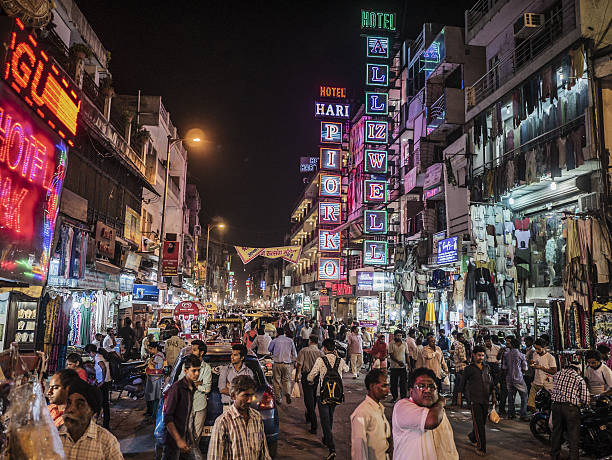
Affectionately called “SN” by locals, Sarojini Nagar is the undisputed king of budget fashion in India. If you are looking for highly trendy Western wear, fast-fashion trends, and export-surplus apparel at literal throwaway prices, this is your ultimate shopping paradise.
- Best Known For: Export surplus clothing, factory reject branded Western wear, bags, shoes, and junk jewelry.
- Nearest Metro Station: Sarojini Nagar (Pink Line).
- Timings: 10:00 AM to 9:00 PM (Main shops are closed on Mondays, but some street vendors stay open).
The market primarily functions on surplus goods rejected by major international fashion houses due to microscopic manufacturing flaws or overproduction. You can easily find chic dresses, denim jackets, trench coats, and tops starting as low as ₹100 to ₹300.
Pro Traveler Tip: Bargaining here is an absolute art form. Shopkeepers usually quote double or triple the actual price to tourists. Start bidding at one-third of their asking price and hold your ground! Inspect every garment thoroughly for missing buttons or tears before paying.
4. Lajpat Nagar (Central Market)
Lajpat Nagar is South Delhi’s premier destination for traditional Indian ethnic outfits, fabric customization, and lifestyle merchandise. It is heavily favored by families, college students, and brides-to-be looking for high-quality Indian styles without designer price tags.
- Best Known For: Kurtis, unstitched salwar suits, heavy lehenga fabrics, home decor linens, and traditional footwear (juttis).
- Nearest Metro Station: Lajpat Nagar (Pink & Violet Interchange Lines).
- Timings: 11:00 AM to 9:00 PM (Closed on Mondays).
Key Highlights:
- Fabric Heavens: Stores like Ramjisons and KC Creations offer massive basements filled with thousands of textile variations, from delicate chikankari work to heavy banarasi brocades.
- Henna (Mehendi) Artists: The market lanes are lined with skilled Mehendi artists who can apply intricate henna patterns on your hands within minutes.
Must-Try Street Food: You cannot leave Lajpat Nagar without trying the famous, steaming hot Tibetan momos with spicy red chili sauce from Dolma Aunty Momos.
5. Janpath Market & Palika Bazaar (Connaught Place)
Situated directly adjacent to Connaught Place in the heart of New Delhi, Janpath consists of a vibrant outdoor shopping boulevard, a specialized Tibetan bazaar, and the nearby subterranean, completely underground, air-conditioned market known as Palika Bazaar.
- Best Known For: Bohemian clothing, oxidised silver jewelry, brass artifacts, pashmina shawls, and gaming consoles (at Palika).
- Nearest Metro Station: Rajiv Chowk (Blue/Yellow Line) or Janpath (Violet Line).
- Timings: 10:30 AM to 8:30 PM (Janpath is closed on Sundays; Palika Bazaar remains open).
What to Look For:
- The Tibetan Market Lane: Perfect for picking up authentic singing bowls, prayer flags, exquisite turquoise jewelry, and wooden deity carvings.
- The Gujarati Lane: Brimming with brilliant, mirror-work textiles, embroidered table runners, and vibrant ethnic tote bags.
- Palika Bazaar: Step downstairs into this underground maze for heavily discounted clothing, affordable perfumes, and a massive hub for gaming electronics.
6. Dilli Haat (INA)
- Best Known For: Handcrafted home decor, regional handloom sarees, pottery, authentic leather footwear (mojris), and authentic state cuisines.
- Nearest Metro Station: Dilli Haat INA (Yellow & Pink Lines).
- Timings: 11:00 AM to 10:00 PM (Open 365 days a year).
- Entry Fee: ₹30 for Indian Adults, ₹20 for Children, ₹100 for Foreign National Tourists.
The core beauty of Dilli Haat lies in its regional diversity. Because the artisan stalls change every 15 days, you will find completely fresh inventory on subsequent visits—ranging from Kashmiri wood carvings to Madhubani paintings from Bihar and cane furniture from Assam.
The Ultimate Food Court: Dilli Haat houses food stalls represented by almost every single Indian state. Try the spicy pork momos and fruit beer at the Nagaland stall, authentic fish curry at the West Bengal stall, or a rich, multi-dish Rajasthani Thali.


Leave a Reply