
The Ultimate Ladakh Travel Guide: History, Sightseeing, Food, and Stay
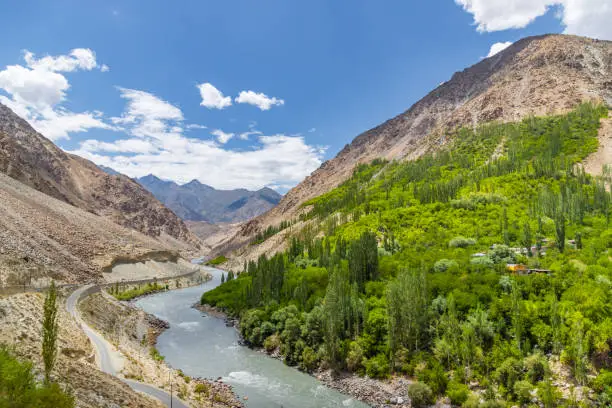
Known as the “Land of High Passes,” Ladakh is a mesmerizing Union Territory in Northern India that seems to exist on the edge of the world. Nestled between the Karakoram and Himalayan mountain ranges, its dramatic cold-desert landscapes, crystal-clear high-altitude lakes, and deeply rooted Tibetan Buddhist culture attract travelers from all corners of the globe.
Whether you are looking for an adrenaline-fueled road trip or a peaceful spiritual escape, this complete travel guide covers everything you need to know about planning your journey to Ladakh.
The Rich History of Ladakh
Before it became a bucket-list travel destination, Ladakh was a vital commercial hub along the ancient Silk Route. For centuries, trade caravans carrying silk, spices, indigo, and wool passed through its high-altitude terrain, connecting India with Central Asia, Tibet, and China.
In the early 10th century, the Ladakh kingdom was founded by the Tibetan prince Nyima-Gon, who laid the foundation for the region’s distinct culture. The historic Leh Palace, built in the 17th century by King Sengge Namgyal, still towers over Leh town, bearing a striking resemblance to Lhasa’s Potala Palace in Tibet. For generations, Ladakh remained an independent Himalayan kingdom strongly influenced by Mahayana Buddhism, until it eventually integrated with India. Today, its ancient monasteries (Gompas), royal ruins, and traditional festivals serve as living testaments to this glorious, resilient past.
What We Do: Top Things to See and Do
Ladakh is a playground for adventure seekers, culture enthusiasts, and nature lovers alike. Here are the absolute must-visit experiences to add to your itinerary:
- Marvel at Pangong Tso Lake: This famous endorheic lake changes its color from deep blue to turquoise and green throughout the day. It sits right on the Indo-China border at an altitude of over 14,000 feet.
- Explore Nubra Valley & Hunder Dunes: Cross the legendary Khardung La Pass to enter a lush valley where you can ride double-humped Bactrian camels amidst white sand dunes.
- Visit Ancient Monasteries: Explore Thiksey Monastery (often called Little Potala), Hemis Monastery (the wealthiest in the region), and Diskit Monastery, which features a massive 106-foot Maitreya Buddha statue.
- Experience Magnetic Hill: Witness the optical illusion where vehicles appear to defy gravity and roll uphill on their own when left in neutral.
- Stargaze at Hanle: Visit India’s first Dark Sky Reserve in Hanle, a paradise for astrophotographers due to its exceptionally clear high-altitude night skies.
What to Eat: Traditional Ladakhi Cuisine
Food in Ladakh is hearty, warming, and perfectly suited to survive the rugged mountainous terrain. While you can easily find North Indian, Tibetan, and Continental dishes in Leh, missing out on authentic local flavors would be a disservice to your journey.
- Thukpa: A comforting, steaming noodle soup packed with mixed vegetables or minced meat, spiced perfectly to keep you warm in chilly weather.
- Skyu: A traditional Ladakhi stew made of thumb-sized hand-kneaded pasta pockets cooked slowly with root vegetables and meat.
- Momos: Steamed or fried dumplings stuffed with local cheese (Chhurpi), vegetables, or mutton, served alongside fiery chili chutney.
- Chhang & Butter Tea (Gur-Gur Chai): To drink like a local, try Gur-Gur Chai, a savory tea brewed with green tea leaves, salt, and yak butter. For something stronger, sample Chhang, a locally brewed traditional barley beer.
Where We Stay: Accommodation Options
From luxury hotels to rustic local experiences, Ladakh offers diverse stay options depending on your budget:
- Leh City (The Central Hub): Most travelers spend their first few nights here to acclimatize. You will find everything from premium boutique luxury resorts to budget-friendly guest houses within walking distance of the Leh Main Market.
- Cozy Village Homestays: For an authentic cultural exchange, opt for registered Ladakhi homestays in places like Nubra Valley, Turtuk, or Hemis. It is an amazing way to enjoy home-cooked meals and support the local economy.
- Glamping Sites: Near Pangong Tso and Tso Moriri, permanent luxury eco-tents and cottages are available. They provide basic running water, comfortable bedding, and clear views of the lakes.
How to Reach Ladakh
Depending on your comfort levels and time constraints, Ladakh is accessible by both air and road routes.
By Air
The quickest and most convenient option is flying into Kushok Bakula Rimpochee Airport in Leh. It is well-connected with daily direct flights from major Indian cities like Delhi, Mumbai, and Chandigarh.
Important Tip: Because you fly directly into a high altitude of 11,562 feet, it is mandatory to spend your first 48 hours completely resting in Leh to allow your body to acclimatize to the thin air.
By Road
For the ultimate adventure, you can take one of the two iconic highway routes open during the summer months (typically May to October):
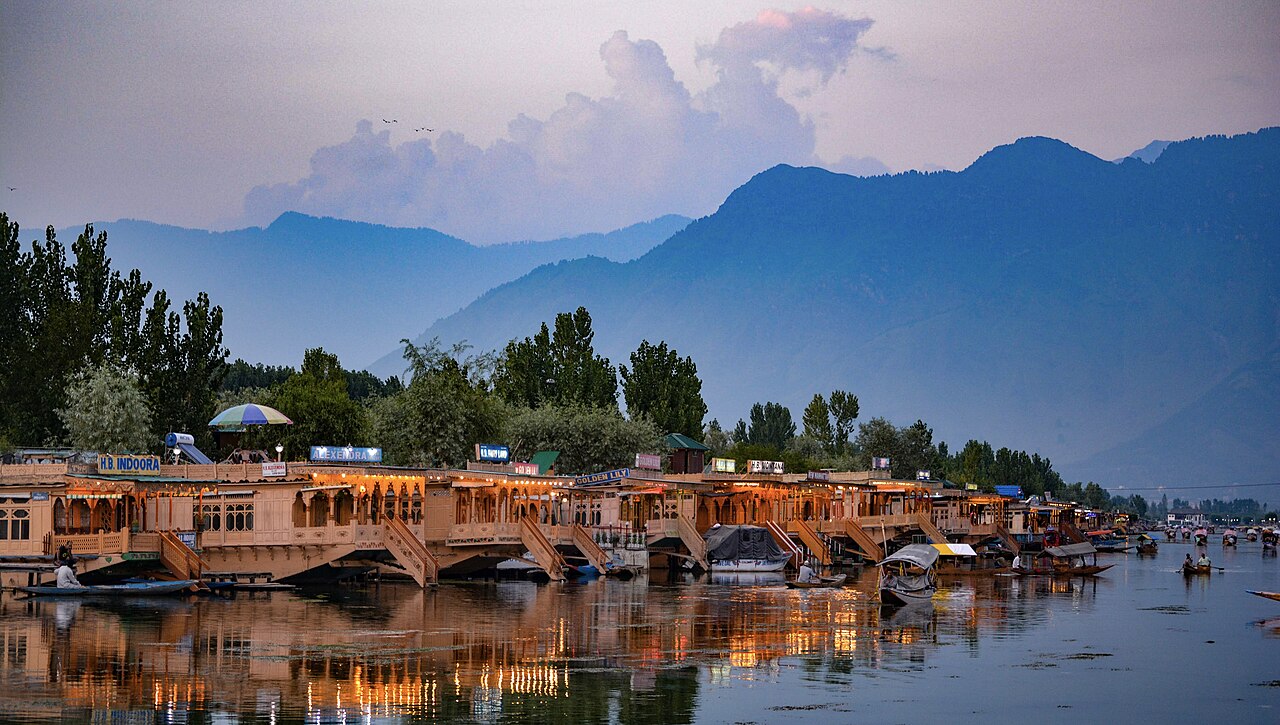
- Srinagar-Leh Highway (NH 1D): A scenic 420 km route passing through Sonamarg, Drass (the second coldest inhabited place on Earth), and Kargil. It offers a more gradual altitude gain.
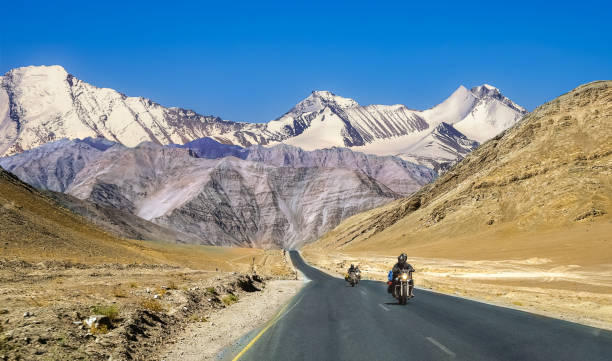
- Manali-Leh Highway: A thrilling 430 km journey crossing high mountain passes like Taglang La and Lachung La. This route is a favorite among motorcyclists and road trippers.
Leave a Reply